
At the 2016 Baja 1000 I found myself in the middle of the worst head-on collision between race vehicles I have ever seen. My struggle to make sense of this tragedy is on-going, and for this reason I have decided not to write about it for the time being.
This post will cover the race from my arrival in Baja on Saturday November 12 until the morning of the incident which occurred around 5 am Saturday November 19. I will attempt to write about my week in Baja from the perspective I had up until that morning, because since then I have had trouble seeing anything except the traumatic images imprinted in my mind from that crash site, and the soul-searching reflections I am struggling with now. Due to the difficulty in looking past Saturday morning’s events, most of this post will be photos.
My thoughts and my heart are with Cody Parkhouse, his family and his recovery, in addition to the driver of Spec Trophy Truck #288 who lost his leg in the accident (** 11/23 update, I have learned that Mark Luhtala, driver of #288, has passed away from his injuries | 11/28 update, a GoFundMe page is online in support of his family). I have come to terms with the understanding that from now and for the rest of my days, I will live with the knowledge that myself and the rest of the crew made some critically wrong decisions in the hours leading up to the accident. Never have I been part of a chain of mistakes which resulted in such dire consequences, but I was. My hope is that this accident will lead to the implementation of rules that will prevent anything like this from occurring again.
With that said, here are some photos/experiences from the 2016 Baja 1000.
We arrived in Baja around noon on Saturday. In the spirit of celebration we decided to relax with some fresh lobster at Puerto Nuevo. With two trucks each towing trailers, the reality ended up being much more frustrating than the theory.
But we eventually had our parking, had our tables and had our lobster. By the evening we were rolling into the F&L compound just north of Ensenada. We had come down to support Matt Cullen and the F&L Racing class 1.
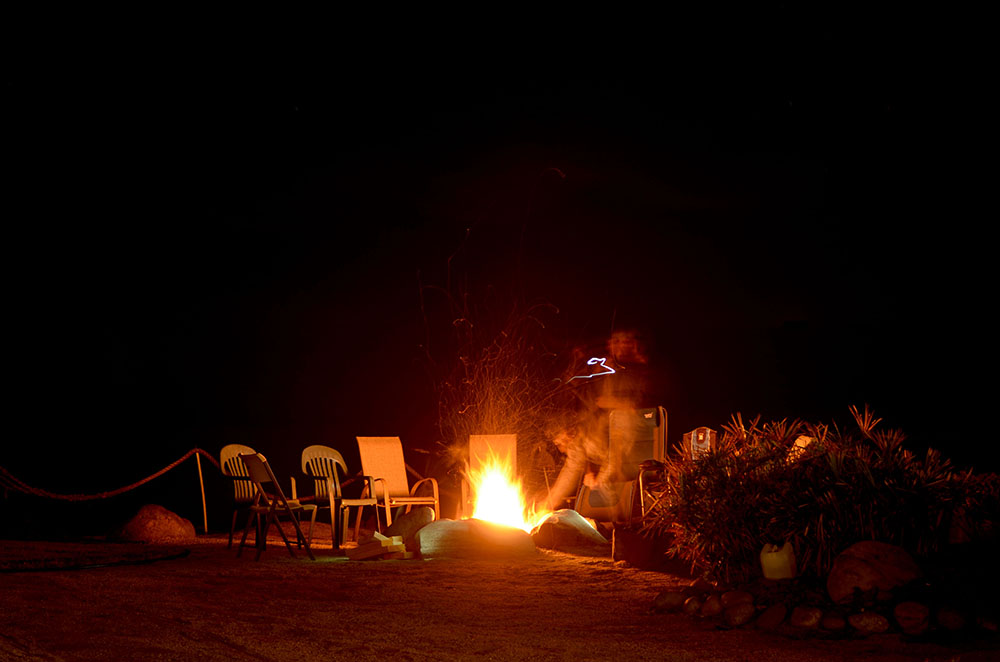
The compound is beautifully placed, overlooking the Pacific ocean. Just a few minutes outside of town and with plenty of space for trucks, trailers and off-road vehicles, it’s the ideal Baja basecamp.
The Compound



Pre-Running


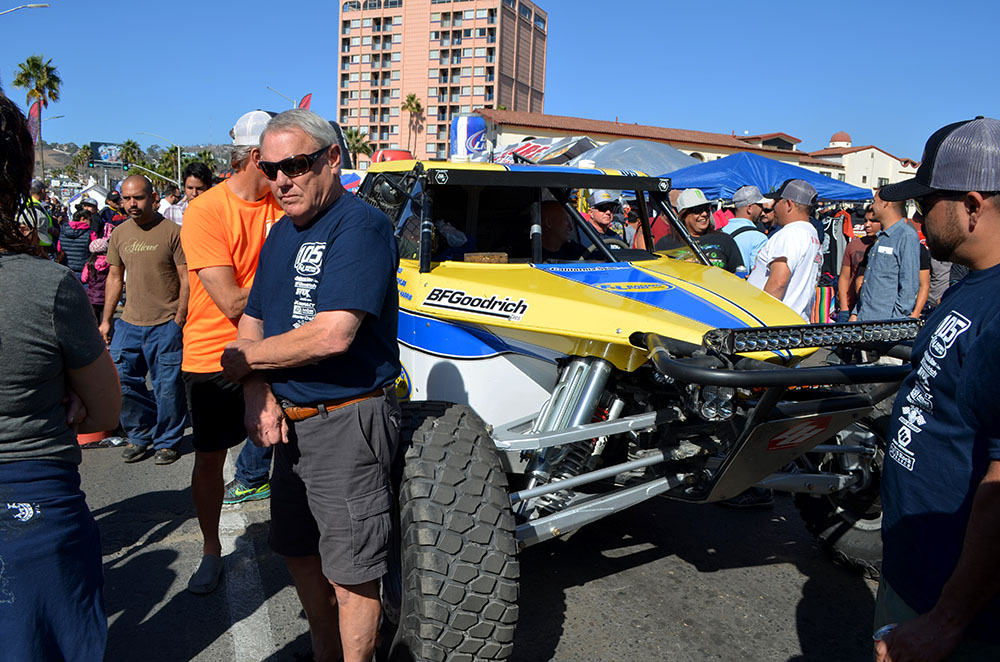
Contingency


Fuel Shortage
For political reasons, F&L’s supply of fuel was held up at the border. Thursday night (the night before the race) a crew of 12 trucks and around 27 people trekked north to the border and managed to get 36 drums of fuel through (nearly 2,000 gallons). This was about 30% of the total amount of fuel that was intended to be made available for the race.
With the help of Sunoco and a number of race teams, Matt was able to supply fuel for everyone except two: Mikey Childress and himself. Matt had a policy, that if anyone that was relying on his fuel wasn’t going to race due to a shortage, then he himself couldn’t race.
Thursday night Matt and his crew pumped every last gallon from his race car and chase vehicles. With it they filled drums that were distributed to other teams in need. Matt solemnly addressed his crew, thanking everyone for their time and effort but conceding to withdrawal from the race.
The Baja 1000 requires untold (to wives anyway) sums of money in order to attend. Months of preparation and tens of thousands, if not hundreds of thousands of dollars were lost due to bureaucratic red tape. Matt threw in the towel so that others wouldn’t need to, and for this he gained the entirety of my respect. The next morning Matt and his crew packed up and headed home.
By noon race morning the compound was a ghost town, with only us left to try and salvage the weekend for ourselves. If only we had known what would come of our involvement in the race, we could have packed our bags and headed home as well.


Race Day
Race morning we managed to touch base with Parkhouse and learned that they could use some support at the HWY-3 stops. This pit was at the latter end of the race, which means that we’d be staying up all night to offer our support.
Due to the way our pit plan worked out, I didn’t have much opportunity for daytime photography. So the majority of my shots were taken while messing around at night with time lapses.
Our support plan featured a fly-by early on followed up with many hours of waiting. After midnight we’d help give the Parkhouse Racing class 1 two fresh rear tires, fuel and a top-up on CV grease. That initial pitstop went flawlessly. The second pitstop was meant to be a tire change and fuel. This is where the tragedy struck, and thus my narrative for this post ends.


The Author





No Comment